What to Do With Finished Puzzles: Creative Ways to Save, Share & Display
The Finished Puzzle Playbook
Once you place that final piece, your decision splits into three main paths: preserving your puzzle as art, sharing it with others, or resetting it for future enjoyment. The satisfaction of solving a puzzle is in the journey, and what you do next is a bonus, not an obligation.
Exploring all the possibilities honors the time and effort you invested, and this guide will walk you through all the things to do with old puzzles. You can give your puzzle a second life through creative preservation, donation, or even by turning it into a fun social event.
Beyond the Final Piece: Why Your Next Move Matters
Deciding what to do with a finished puzzle is about more than just storage; it’s about honoring the focus and mental clarity you gained while solving it. This simple act validates your investment of time and effort.
Engaging in puzzles is a proven way to de-stress, as it can measurably lower stress hormones like cortisol. The act of re-solving a puzzle can also be a powerful tool for improving your memory and cognitive focus, turning a one-time activity into a reusable mental workout.
Ultimately, having a system for your completed puzzles removes any hesitation to start the next one, opening the door to a world of new and challenging jigsaw puzzles.
The Three Paths: A Breakdown of Your Post-Puzzle Options
Your next move falls into one of three categories: you can preserve your puzzle as a piece of art, share it to give it a new life, or reset it to enjoy the challenge all over again.
Path 1: Preserve (Turn It Into Art)
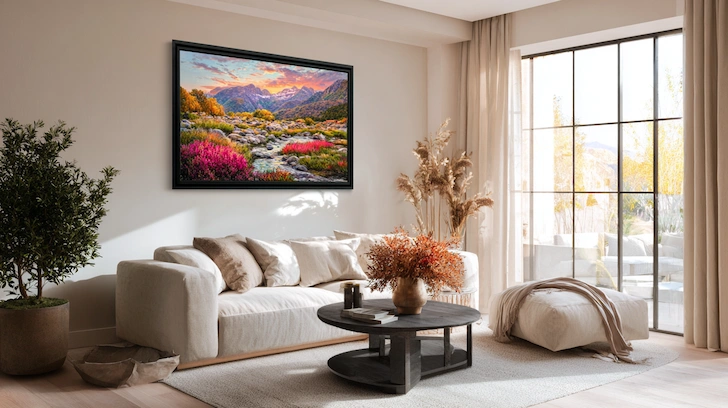
- Frame and Display: The most classic option is to frame your puzzle and hang it as permanent wall art.
- Mount It: For a modern, frameless look, you can mount the puzzle on a backing like foam core.
- Use a Display Easel: This is a great, less-permanent option that allows you to rotate your collection of completed puzzles.
- Create a Shadowbox Table: For a truly unique and functional piece, you can encase the puzzle under glass in a coffee or end table.
Path 2: Share (Give It a New Life)
- Donate It: Give your puzzle to organizations that will appreciate it, such as senior centers, libraries, schools, hospitals, or thrift shops like Goodwill.
- Swap It: Host or find a local puzzle swap event to trade with fellow enthusiasts and discover new challenges.
- Gift It: A completed and preserved puzzle can be a thoughtful and personalized present for a friend or family member.
Path 3: Reset (Enjoy It All Over Again)
- Disassemble It: The simplest option is to take the puzzle apart to solve again whenever you want.
- Add a Challenge: To add a new layer of difficulty, try timing yourself on subsequent solves to beat your previous record.
- Take a Photo: Before you break it down, take a high-quality photo as a digital memento of your accomplishment.
The P.A.S.S. Method: Your Step-by-Step Action Plan
The P.A.S.S. (Preserve, Assess, Share, Store) method is a simple framework to help you take confident action, no matter which path you choose for your puzzle.
Step 1: Preserve and Finalize To permanently save your puzzle, you first need to glue it. Use a clear-drying adhesive like Mod Podge and apply an even coat over the front surface with a brush or squeegee. For maximum stability, you can glue the back after the front is completely dry.
For a clean, mess-free alternative, you can use puzzle glue sheets that simply adhere to the back of the puzzle. If you want a flawless, professional-grade finish, you can also look into professional puzzle lamination services. Once preserved, the most direct way to display your work is by learning how to frame your puzzle.
Step 2: Assess and Repurpose You can get creative by turning sections of a puzzle into functional art. Mount small, interesting segments on a sturdy base like cork or foam core to create unique drink coasters or decorative trays. Individual puzzle pieces can also be repurposed into craft projects like holiday ornaments, bookmarks, or custom picture frames.
Step 3: Share and Socialize Join online puzzle communities on social media to share photos of your finished work and connect with other puzzlers. You can also turn puzzling into a social event by hosting a "puzzle-off" competition or creating a mystery puzzle challenge for a party. If you want to show off your work temporarily, there are several ways to learn how to hang a puzzle without using a frame.
Step 4: Store and Save If you plan to re-solve the puzzle later, use dedicated storage solutions like roll-up mats or book-style puzzle folders to keep all the pieces organized and safe. To transport a completed puzzle, carefully slide it onto a foam board or between two sheets of cardboard and wrap it securely to keep it intact.
Common Pitfalls: How to Avoid Post-Puzzle Regret
Avoiding a few common mistakes ensures your hard work is honored, whether you decide to preserve, donate, or store your puzzle for later.
Mistake 1: Donating an Incomplete Puzzle Before donating a puzzle, always double-check that all the pieces are present and that the box is in good condition. A puzzle with missing pieces will only lead to frustration for the next person who tries to solve it. If you discover a piece is missing, check the immediate area carefully, as some manufacturers also offer replacement piece services.
Mistake 2: Underestimating Permanence You must understand that gluing a puzzle is a permanent decision. Once the adhesive is applied and dried, the puzzle cannot be taken apart and solved again.
Choosing the right adhesive is also critical to avoid yellowing or damaging the puzzle's image over time. Taking a moment to compare puzzle glue and Mod Podge can help you make the best choice for your project.
Mistake 3: Forgetting Tax Benefits When you donate puzzles to a qualifying nonprofit organization, such as a Habitat for Humanity ReStore, your donation may be tax-deductible. Always remember to ask for a receipt for your records.
From Hobby to Habit: Embracing the Puzzler's Mindset
The true reward of puzzling is the journey of discovery and the mental calm it provides. The finished product is simply a trophy marking that personal achievement.
By creating a system for your finished puzzles, you remove the biggest barrier to starting the next one. This simple step helps transform a single activity into a sustainable and beneficial habit.
Whether you choose to display, donate, or disassemble your puzzle, the final step is to celebrate your accomplishment. Then, you can look forward to the next challenge with a clear space and a clear mind.
Frequently Asked Questions
What are the three main options for a finished jigsaw puzzle?
You have three primary paths for a completed puzzle. You can preserve it as art by gluing and framing it, share it with others through donation or swapping, or reset it by taking it apart to enjoy the challenge again later.
How can I turn my puzzle into permanent wall art?
To make your puzzle permanent, apply a clear-drying adhesive like Mod Podge over the front surface to bond the pieces. Once it's dry, you can frame it, mount it on a foam core backing for a modern look, or display it on an easel.
Where can I donate used jigsaw puzzles?
You can donate puzzles to senior centers, libraries, schools, hospitals, and thrift shops like Goodwill or Habitat for Humanity ReStores. Before donating, always confirm that all pieces are present and the box is in good condition.
Is gluing a puzzle a permanent decision?
Yes, gluing a puzzle is a permanent action that cannot be undone. Once the adhesive dries, the puzzle is permanently bonded and cannot be taken apart to be solved again, so be certain before you begin.
Do puzzles actually help reduce stress?
Yes, engaging in puzzles is a proven way to de-stress. Studies show that the focused activity can measurably lower levels of stress hormones like cortisol, promoting a sense of calm and mental clarity.
Can I sell my old puzzles?
Absolutely. If your puzzles are complete and in good condition, you can sell them at a garage sale, on local online marketplaces, or within online puzzle enthusiast groups to give them a new home.
How do I safely transport a finished puzzle?
To move a completed puzzle, carefully slide it onto a rigid surface like a foam board or between two pieces of cardboard. For added security during transport, you can wrap the board in plastic wrap or use a dedicated puzzle storage case.
Can I use a finished puzzle for party decorations?
Yes, a colorful finished puzzle can serve as a unique and creative table centerpiece. You can also incorporate puzzling into the event by hosting a 'puzzle-off' competition or creating a mystery puzzle challenge for guests.